What Googie Architecture taught me about building global products.
I love diners.
Thomas Horak
CEO
I love diners. The nostalgia. The food. The comfort. The culture.
This is due to the same expat-based nostalgia why I love Pendleton shirts (which I own) and old Lincoln Continentals (which I don’t want to own). But that’s another post.
I had never heard about Googie style until I saw the AD Video about Diner Design. It opened my eyes to so much about Contemporary American Design History. The context of both what Googie design was a response to, as well as how US aesthetic evolves through responses and layering are one of many factors that explain why things look the way they do.
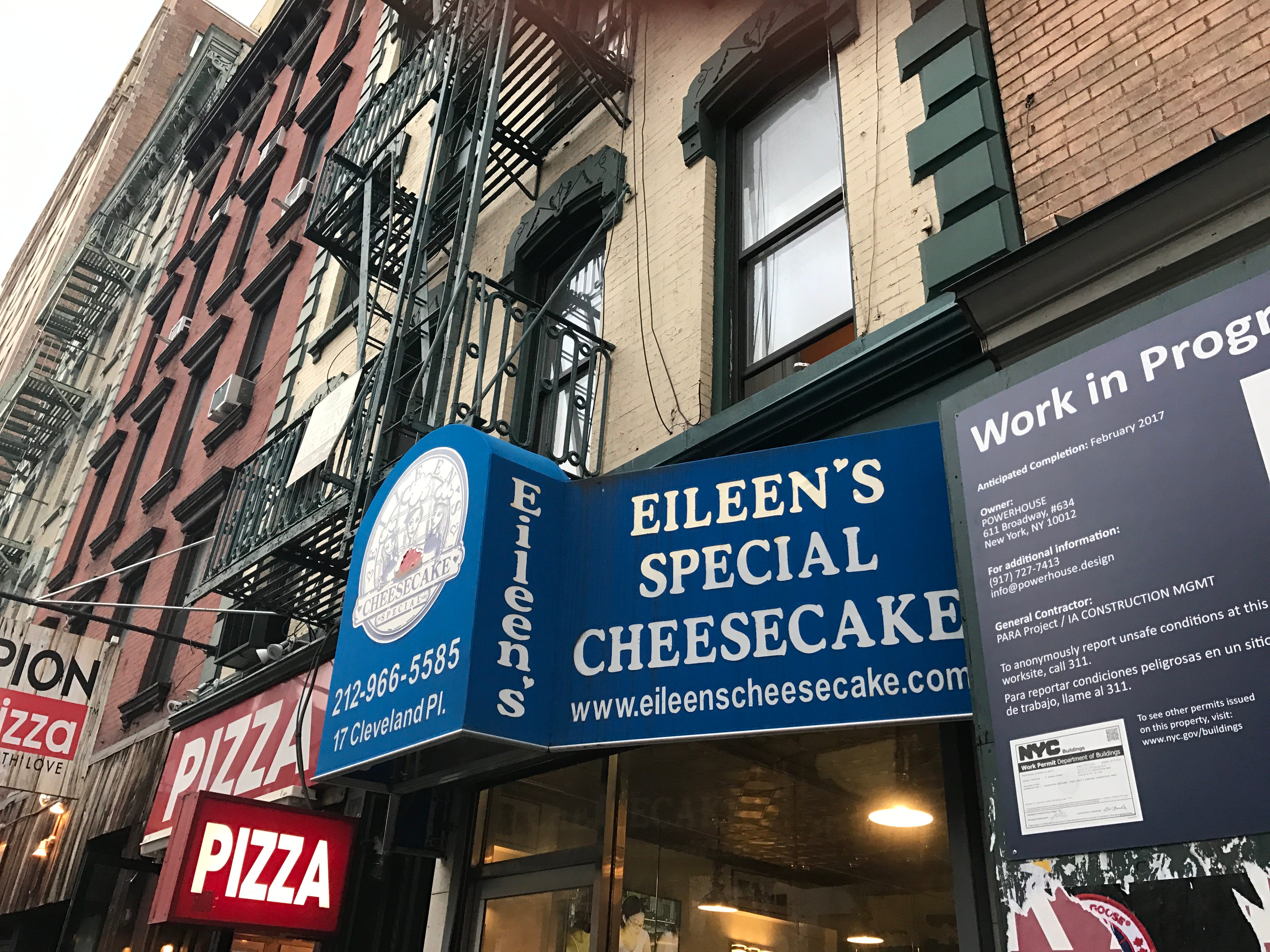
It reminded me of when we founded a tech startup for SME’s in New York and we were walking down the streets in NYC with our excellent designer. He pointed out how disappointed he was in the real world design aesthetic of America.
Obviously not Googie Architecture, just a “regular” view that sparked the comments
As an American who grew up in Europe, I both understood why he was appalled but also thought he was missing something. It was a clear mismatch between the excellently curated exports coming to Europe in the varied cultural exports, and the reality of inventive necessity of small local businesses*. But beyond that, also a lack of experience of design history of a country. The layers of various fonts seems like something almost forbidden in Europe, but make perfect sense in Googie.
I think it’s so easy to go to a foreign place that has different design and struggle to connect with it. It can even feel ugly to us. I am sure I’ve felt that way in countless places.
Being introduced to Googie reminded me why I love listening to the well travelled creatives I know: if something makes me react, take note and look up more context later. To understand the why, means to see the beauty. One thing I love about design in the US, is the amalgam of layers of intense, loud and distinct design styles, unapologetically layered over decades.
I’ve been involved in “localising” dozens of products in various industries. The process was most successful when time was taken to actually learn from people who understand the culture we’re about to address — no matter if we’re localising geographically or socially. It’s not a soft/woke/EQ thing. It’s about understanding motivation and the product being understood by people who are not like the ones who built it.
It’s why listening leads to successful products.
*Not to say there isn’t design that can’t be improved in NYC. In that context I just love that Max Kolomatsky just redesigns flyers and adds them next to the original.