Most software for clinicians gets built twice - once for compliance and then again when teams realise clinicians and patients won’t actually use them.
Tom and Hiba dissect what separates the companies that get it right the first time from those burning runway on rebuilds. Why does C the Signs get adopted in primary care while better-funded tools sit unused? How did Viz.ai crack clinical workflows that stump sophisticated competitors? What did Tempus figure out about oncology data that everyone else missed?
The answer reveals the real transformation happening in healthcare. Digital records have evolved from administrative burden into pattern-recognition engines that spot risks before humans can. These early warning systems turn symptoms, scans, and blood signals into clinical insights. But they only work when both patients and clinicians trust them.
Here’s where most products fail. Patients worry about privacy and control. Clinicians want tools that reduce liability and cognitive load, not add to it. Getting both sides to trust the same system requires specific design choices that most teams never consider.
The episode breaks down six principles from companies that solved this puzzle:
Contextual consent that explains what’s needed when it’s needed
Explainability that builds trust faster than sophisticated algorithms
Workflow integration that clarifies next steps instead of adding complexity
Pattern recognition that widens clinical judgment, never replaces it
Design flexibility for data enthusiasts and privacy-concerned patients
Whether you’re building diagnostic tools or patient apps, these principles determine who gets clinical adoption and who gets expensive rebuilds.
Links
Hiba on LinkedIn: https://www.linkedin.com/in/hibaganta/
The Needful is Hiba’s newsletter on cultural intelligence for sharper, human-led product decisions. It’s for indie founders and small teams who want clarity without the AI hype. Expect pragmatic strategy, mental models, and cultural research that lift your team’s thinking. Hiba reads features, stories, and signals in one go — from product to org culture — so you can ship with craft, protect user trust, and keep real judgment in the loop.
Tom on LinkedIn: https://www.linkedin.com/in/thomas-horak/
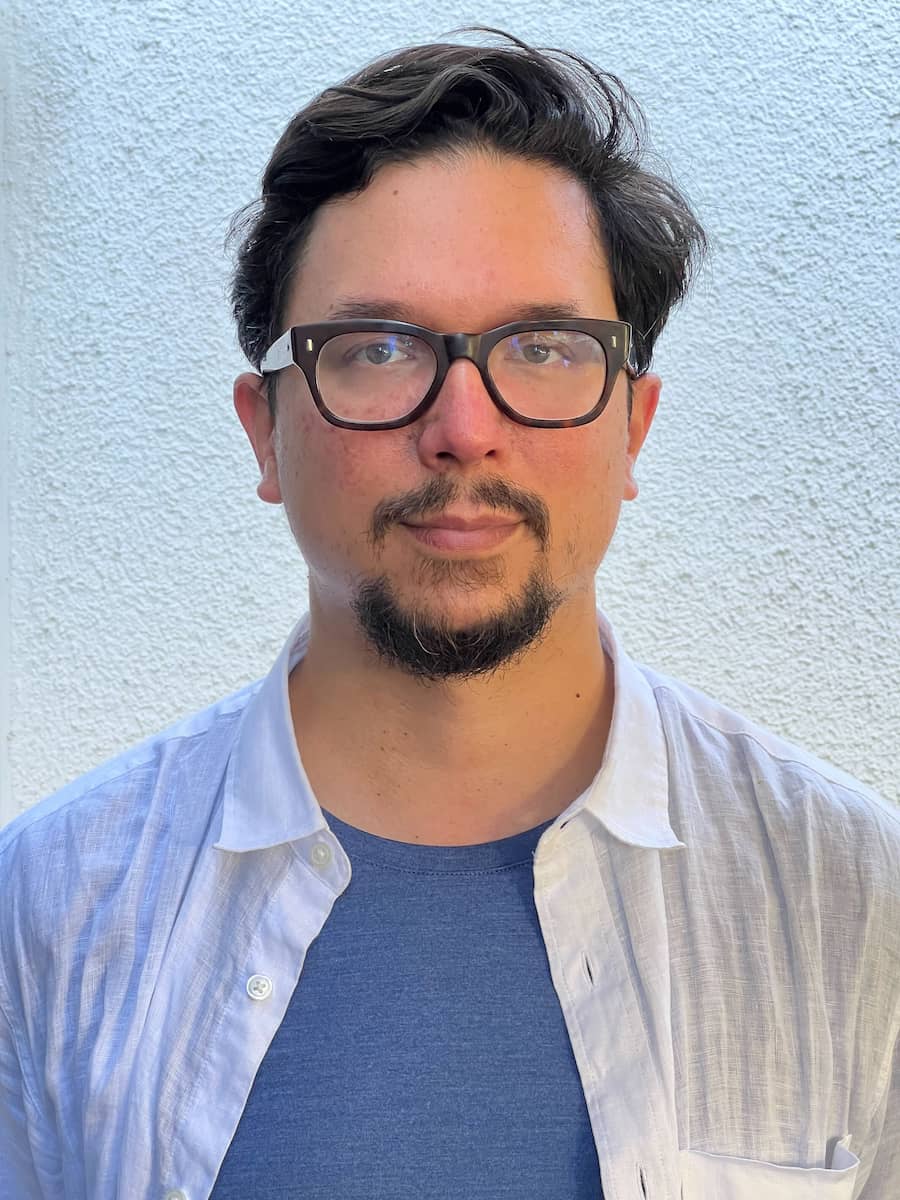
Tom is the founder of All Shapes, a design and product studio working with founders, scale-ups and innovative enterprises to build meaningful digital tools that last. All Shapes blends craft, culture and human clarity — helping teams move from early concepts to high-performing, values-aligned experiences.Subscribe for more conversations at the intersection of culture, values, and technology.